More buyers are starting their research with AI tools instead of a search bar. So before they ever get to your site, an AI platform has often already summarized what you do and decided if you're worth mentioning. We build and optimize websites so that search engines, AI platforms, and real visitors can all make sense of them, with conversion paths that turn that visibility into leads worth having.
A website is no longer just a digital brochure. It's one of the primary sources search engines and AI platforms rely on to understand what a company does, who it serves, and why it's worth recommending. That requires more than good design. It takes clear structure, strong service pages, answer-led content, schema markup, thoughtful internal linking, credible proof points, and conversion paths built with intention, all of which we handle as part of the build.

Site architecture, page mapping, and messaging hierarchy come first, before any design or copy work starts. From there, we plan out the user journey and how the conversion strategy fits into it, so the site has a clear job to do from the beginning.
The actual build covers page templates, landing pages, and forms on HubSpot CMS or Content Hub. But honestly, most of the value shows up later, in how the content is organized. A structure that works fine at twenty pages can fall apart at two hundred if nobody thought that far ahead when it was first set up.
There's a difference between a page that lists what you offer and a page that answers the question someone actually typed in. We build toward the second. That usually means writing to the questions buyers are searching for, adding FAQs, layering in schema, linking pages together in ways that make sense, and explaining services plainly enough that an AI tool can pull from it and a person doesn't get lost halfway through.
CTAs and forms get a lot of the credit, but the overall feel of a site matters just as much. We look closely at individual landing pages too, and instead of hoping someone figures out what to do next, we map that path out ahead of time so the next step is obvious.
Crawlability, metadata, and schema all get checked here, along with page speed and indexability. Internal links and content structure matter just as much, since a technically sound site is what makes everything else on this list actually work.
Conversion tracking and HubSpot forms are the starting point, paired with source reporting so you know where leads are actually coming from. Analytics setup and performance dashboards round it out, giving you a clear view instead of a guess.

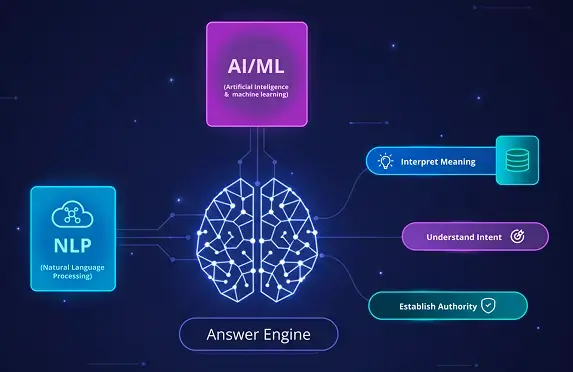
Honestly, it comes down to whether AI platforms can actually read your site and make sense of it. Not just crawl it, understand it well enough to quote it. Clean code helps. So does having your content laid out clearly, using schema markup, and writing pages that answer real questions instead of just describing features. And none of that matters if the site's slow or confusing for the humans who land on it, so both have to work together.
Rarely. We almost never tell clients to start over. Usually the fix is smaller than that: reorganizing a page, adding a section that directly answers a common question, dropping in schema, tightening up where the CTAs sit. A rebuild only comes up if the site's actually broken underneath, technically speaking.
Quite a bit, actually. A model won't cite what it can't confidently parse. So the boring stuff matters here: logical hierarchy, internal links that make sense, schema tucked in where it belongs. Skip those and you're invisible even if the content itself is good.
We're a Platinum HubSpot Solutions Partner, so yes, this is a big part of what we do day to day. Sites on HubSpot CMS and Content Hub, built with templates, forms, and tracking wired in from the start. Not added after the fact.
Getting found is only half the job. If people land on the page and leave, the visibility didn't do much. So we build the structure that AI can read and the path that gets someone to act, at the same time. Otherwise, you're just paying to watch traffic bounce.
Near the top, a straight answer to what the service is and who it's for. Below that, headings written like actual questions, proof it works, schema running in the background, a few links to related pages, and a CTA people don't have to hunt for.
Book a meeting to to see how your website structure, content, technical setup, HubSpot integration, and conversion paths can better support AI search visibility and qualified lead generation.